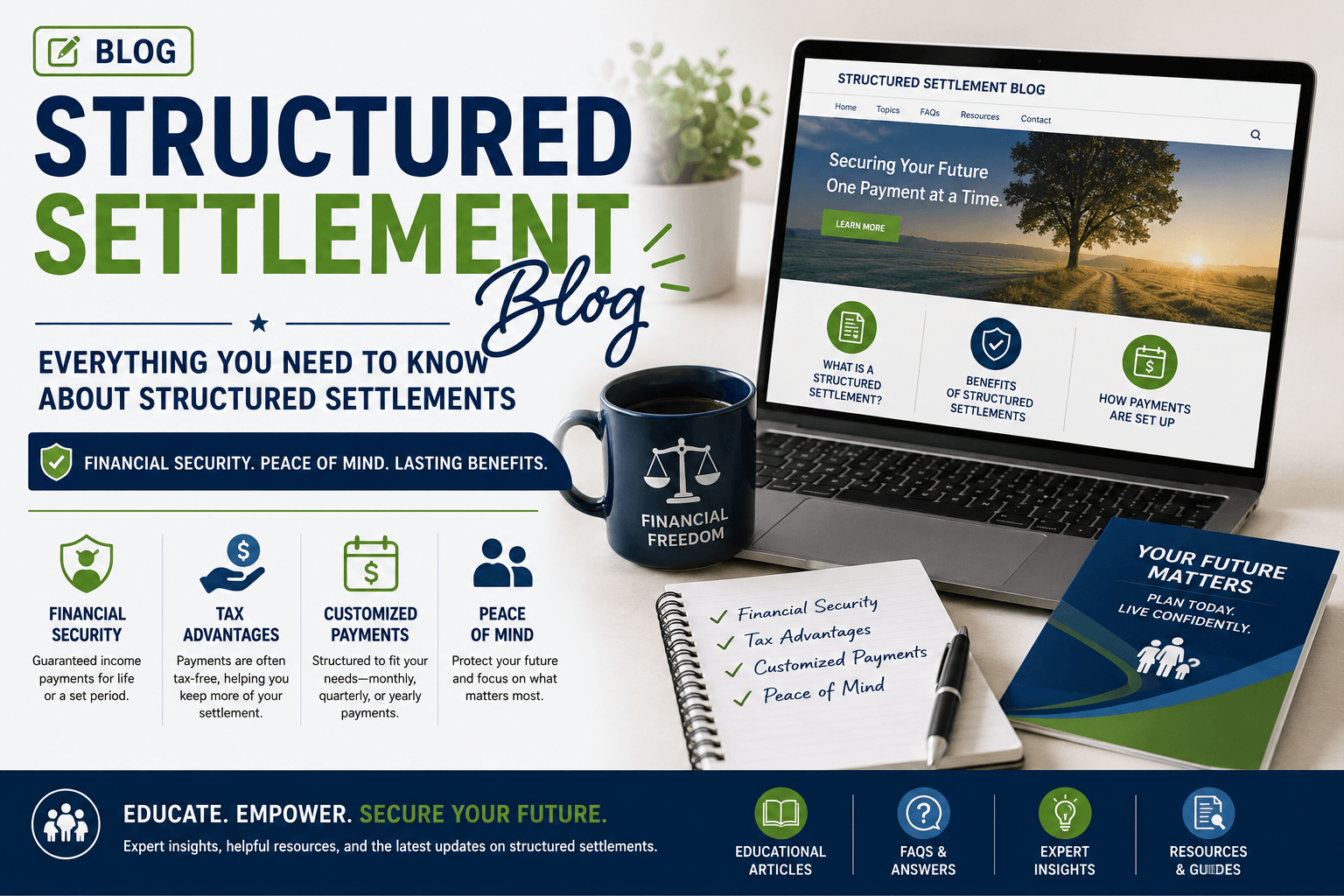
Structured settlements are an important financial solution that helps individuals receive long-term financial support after legal settlements, personal injury cases, or insurance claims. Because financial decisions can have lasting impacts, understanding how structured settlements work is essential for making informed choices.
A structured settlement blog provides valuable insights, financial guidance, legal information, and practical tips related to settlement payments, annuities, taxes, and financial planning. Additionally, these blogs help readers understand both the benefits and potential drawbacks of structured settlements.
Whether you recently received a settlement offer or simply want to learn more about financial planning, this guide explains everything you need to know about structured settlements and why following a structured settlement blog can be extremely helpful.
What Is a Structured Settlement?
A structured settlement is a financial arrangement where settlement money is paid over time instead of in one large lump sum payment.
Typically, structured settlements are used in:
- Personal injury cases
- Workers’ compensation claims
- Medical malpractice cases
- Wrongful death lawsuits
- Insurance settlements
Instead of receiving all funds at once, the recipient receives scheduled payments over months, years, or even a lifetime.
As a result, structured settlements provide long-term financial stability and predictable income.
Why Structured Settlements Are Important
Structured settlements help protect individuals from spending settlement money too quickly. Furthermore, they provide ongoing financial security for future expenses.
Many people use structured settlement payments for:
- Medical bills
- Daily living expenses
- Education costs
- Mortgage payments
- Retirement planning
- Family support
Because of this, structured settlements are often considered a safer financial option than lump-sum payouts.
Benefits of Following a Structured Settlement Blog
Learn Financial Planning Strategies
A structured settlement blog often shares useful financial planning advice. For example, readers can learn how to:
- Manage settlement income
- Budget effectively
- Avoid financial mistakes
- Plan for future expenses
Consequently, readers become better prepared to make smart financial decisions.
Understand Legal and Tax Issues
Structured settlements involve important legal and tax considerations. Therefore, blogs covering these topics can help readers understand:
- Tax rules
- Settlement transfer laws
- Court approval processes
- State regulations
Additionally, learning these details may help individuals avoid costly financial errors.
Stay Updated on Industry Trends
Financial laws and settlement regulations sometimes change. As a result, following a structured settlement blog helps readers stay informed about:
- New regulations
- Market trends
- Annuity changes
- Consumer protection updates
Learn About Selling Structured Settlements
Some individuals choose to sell future settlement payments for immediate cash.
Blogs often explain:
- How settlement sales work
- Potential risks
- Legal approval requirements
- Factors affecting payout value
However, it is important to understand the long-term consequences before selling structured payments.
How Structured Settlements Work
Structured settlements are usually funded through annuities issued by insurance companies.
Here’s how the process generally works:
- A legal settlement is reached.
- The settlement agreement determines payment terms.
- An insurance company funds the settlement.
- The recipient receives scheduled payments over time.
Payments may be:
- Monthly
- Quarterly
- Annually
- Lump sums at scheduled intervals
Because payment schedules are customizable, structured settlements can fit different financial needs.
Advantages of Structured Settlements
Long-Term Financial Security
One major benefit is predictable long-term income. Consequently, recipients are less likely to spend all funds too quickly.
Tax Benefits
In many cases, structured settlement payments are partially or fully tax-free. However, tax laws may vary depending on the situation.
Therefore, consulting a financial professional is always recommended.
Reduced Financial Pressure
Receiving steady payments can reduce stress and improve budgeting. Additionally, recipients may avoid impulsive spending decisions.
Customized Payment Plans
Structured settlements can be tailored for:
- Medical care
- Education
- Retirement income
- Child support needs
As a result, payment plans can match personal financial goals.
Disadvantages of Structured Settlements
Limited Immediate Access to Cash
Unlike lump-sum payments, structured settlements limit immediate access to large amounts of money.
Therefore, unexpected emergencies may create financial challenges.
Difficult to Change Payment Terms
Once established, structured settlement agreements are often difficult to modify.
Because of this, careful planning is essential before accepting terms.
Selling Payments May Reduce Value
Many companies offer to buy structured settlement payments for immediate cash. However, selling payments usually means accepting less than the full future value.
Consequently, recipients should carefully evaluate all options before making decisions.
Common Topics Covered in a Structured Settlement Blog
A structured settlement blog may cover topics such as:
- Settlement payment schedules
- Financial management
- Annuity explanations
- Legal settlement tips
- Tax guidance
- Court approval processes
- Selling settlement payments
- Personal finance strategies
Additionally, many blogs share real-life experiences and expert advice.
Structured Settlement vs Lump Sum Payment
Structured Settlement
Advantages:
- Steady long-term income
- Better budgeting
- Potential tax advantages
- Reduced overspending risk
Disadvantages:
- Less flexibility
- Limited access to large cash amounts
Lump Sum Payment
Advantages:
- Immediate full access to funds
- Greater investment flexibility
Disadvantages:
- Higher risk of overspending
- Potential financial mismanagement
Therefore, choosing between these options depends on personal financial goals and circumstances.
Tips for Managing Structured Settlement Payments
Create a Long-Term Budget
A structured payment schedule works best with careful budgeting. Therefore, track monthly expenses and future financial goals.
Build an Emergency Fund
Although structured payments provide regular income, emergencies can still happen. Consequently, saving extra funds whenever possible is helpful.
Avoid Financial Scams
Unfortunately, some companies target settlement recipients with misleading offers.
Therefore:
- Research companies carefully
- Consult professionals
- Review contracts thoroughly
Speak With Financial Advisors
Professional advice can help maximize the value of settlement payments and avoid financial mistakes.
Future Trends in Structured Settlements
The structured settlement industry continues evolving alongside financial technology and legal regulations.
Future trends may include:
- Digital payment management tools
- Improved financial education resources
- Enhanced consumer protections
- Faster court approval processes
Additionally, online structured settlement blogs will likely continue growing as more people seek financial guidance online.
Why Structured Settlement Blogs Matter
A structured settlement blog provides valuable educational resources for people managing settlement income and financial planning.
Moreover, these blogs help readers:
- Understand legal rights
- Improve money management
- Avoid financial mistakes
- Make informed decisions
Because financial settlements often involve life-changing amounts of money, reliable information is extremely important.
Frequently Asked Questions About Structured Settlement Blog
What is a structured settlement blog?
A structured settlement blog provides information about settlement payments, annuities, financial planning, taxes, and legal settlement options. Additionally, these blogs help readers understand how structured settlements work.
Why should I read a structured settlement blog?
Reading a structured settlement blog can help you make smarter financial decisions. Furthermore, it provides guidance on budgeting, payment management, and settlement laws.
Can a structured settlement blog help with financial planning?
Yes, a structured settlement blog often shares budgeting tips, long-term financial strategies, and money management advice for settlement recipients.
What topics are covered in a structured settlement blog?
Most structured settlement blogs cover:
- Settlement payments
- Annuities
- Tax rules
- Financial planning
- Legal settlement advice
- Selling settlement payments
- Court approval processes
Is structured settlement income taxable?
In many cases, structured settlement payments are tax-free. However, tax rules may vary depending on the type of settlement and local laws.
Can I sell my structured settlement payments?
Yes, many people choose to sell future payments for immediate cash. However, selling payments usually reduces the total value you receive over time.
Why do people choose structured settlements instead of lump sums?
Many people prefer structured settlements because they provide stable long-term income and reduce the risk of overspending large amounts of money quickly.
Are structured settlements safe?
Generally, structured settlements are considered safe because they are often backed by insurance companies. Nevertheless, reviewing all legal and financial terms carefully is important.
How can a structured settlement blog help avoid scams?
A structured settlement blog can educate readers about common scams, misleading offers, and financial risks. As a result, readers may make safer financial decisions.
Who benefits most from structured settlement blogs?
Structured settlement blogs are helpful for:
- Injury settlement recipients
- Families managing long-term payments
- Financial planners
- Legal clients
- Individuals considering selling settlements
Final Thoughts
A structured settlement blog can be an excellent source of financial knowledge, legal guidance, and long-term planning advice. Whether you are receiving settlement payments, considering selling future payments, or simply researching financial options, understanding structured settlements is essential.
Additionally, learning about settlement management can help individuals make smarter financial decisions and protect their future stability.
By following trusted financial resources and seeking professional guidance when needed, recipients can maximize the benefits of structured settlements while avoiding common financial risks.